
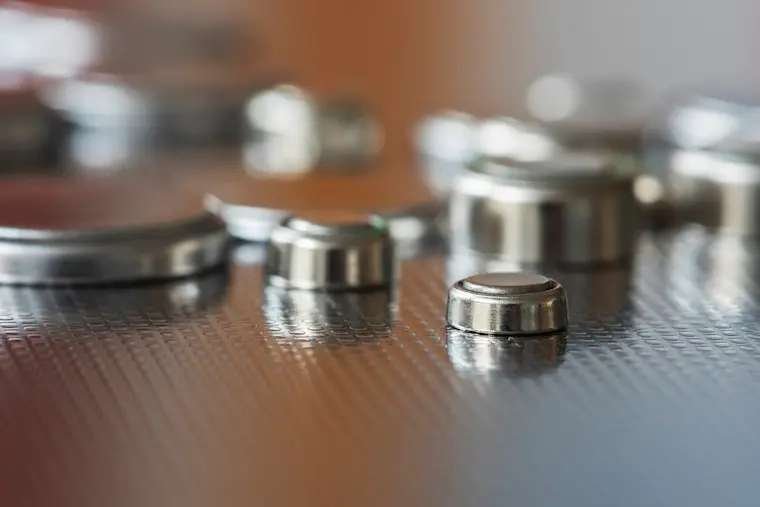
Introduction: The “Firewall” in Battery Manufacturing
In the high-stakes world of New Energy Vehicles (NEVs), a single spark can cost billions. The manufacturing tolerance for Lithium-Ion battery modules is near zero.
Traceability is mandatory—every cell, busbar, and BMS (Battery Management System) must carry a unique DataMatrix code (UDI) for lifecycle tracking. However, applying these codes presents a unique engineering challenge. You are marking energetic devices that are essentially “bombs” if mishandled.
Traditional Continuous Wave (CW) or standard Q-Switched Fiber Lasers rely on thermal ablation (melting). While effective for thick steel parts, they are dangerous for:
- Thin-Walled Aluminum Cans:Risk of puncture or micro-deformation.
- Copper Busbars:High reflectivity can cause laser back-reflection or inconsistent marks.
- Polyimide/PET Insulation:Heat causes bubbling and ruins the dielectric strength.
This guide explains why MOPA and UV technologies have become the safety standard for EV battery lines, and how to choose between them.