
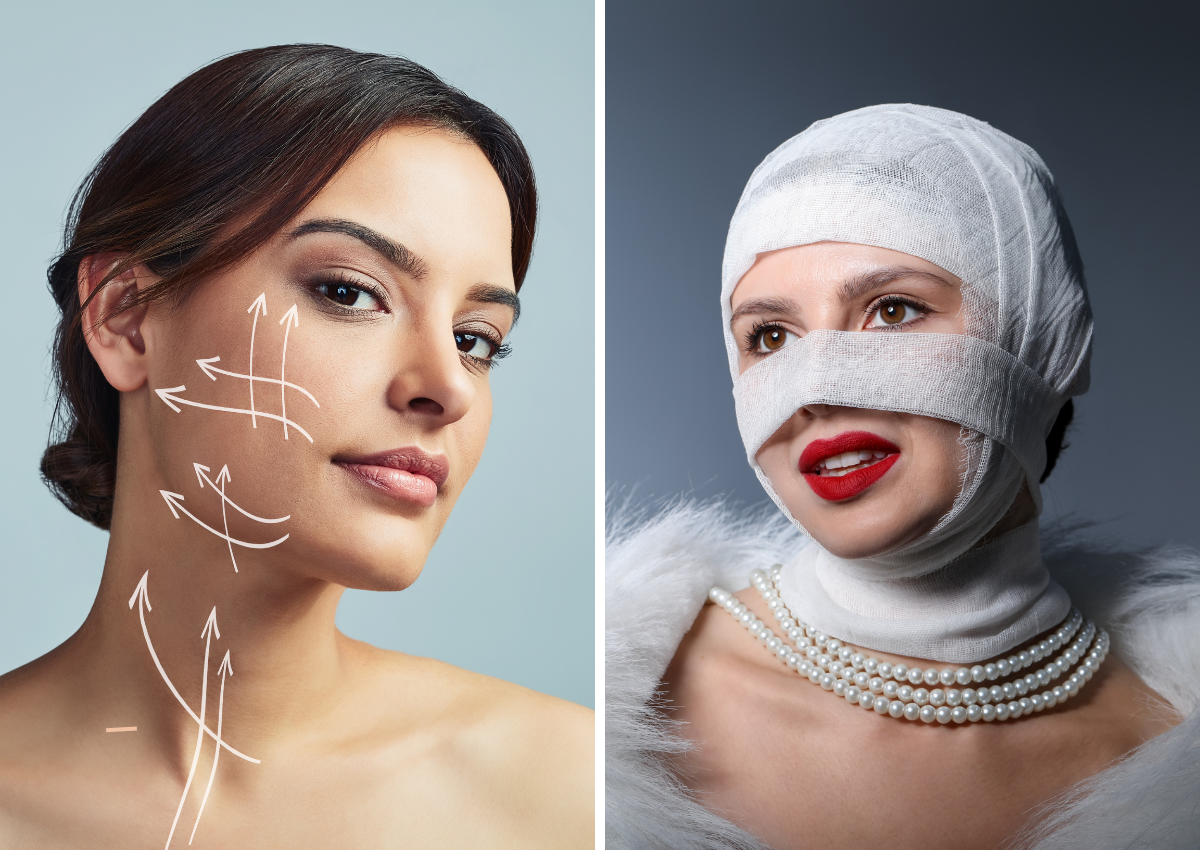
Aging is a natural process, and many individuals in Singapore explore facelifts to address sagging skin, wrinkles, or facial volume loss. With options ranging from non-surgical treatments to traditional surgical facelifts, it is essential to understand the differences to make an informed decision. This guide compares both procedures, focusing on how they work, benefits, safety, suitability, and cost factors, while aligning with Singapore’s healthcare advertising guidelines.
What is a Non-Surgical Facelift?
A non-surgical facelift refers to cosmetic procedures designed to lift and tighten facial tissues without incisions or general anesthesia. Common treatments include:
These procedures aim to improve skin appearance by restoring volume, smoothing wrinkles, and promoting collagen production, all without surgery.
Key Points:
- Minimally invasive
- Short recovery time (usually a few days)
- Can be combined with skincare regimens for enhanced results
What is a Surgical Facelift?
A surgical facelift, or rhytidectomy, is a medical procedure performed in a clinic or hospital by a qualified plastic surgeon. It involves incisions along the hairline and around the ears to remove excess skin and tighten underlying tissues.
Key Points:
- Involves anesthesia
- Longer recovery time (1–3 weeks depending on individual healing)
- Can address deeper sagging and structural facial changes
Surgical facelifts offer more significant lifting effects than non-surgical methods, but also carry higher risks and costs.
How Non-Surgical Facelifts Work
Non-surgical facelifts work by stimulating collagen, restoring facial volume, and supporting tissues without major disruption. Common mechanisms include:
- Injectables: Fillers replace lost volume, while botulinum toxin relaxes facial muscles to reduce dynamic wrinkles.
- Thread Lifts: Fine, dissolvable threads are inserted under the skin, providing gentle lifting and stimulating collagen over time.
- Energy-based Treatments: Ultrasound or radiofrequency waves trigger natural tissue tightening.
Benefits include:
- Minimal downtime
- Gradual, natural-looking improvements
- Lower risk compared to surgery
How Surgical Facelifts Work
Surgical facelifts involve precise repositioning of skin and facial muscles. The process generally includes:
- Anesthesia Administration: Local or general depending on procedure complexity.
- Incisions and Tissue Adjustment: Excess skin is removed, underlying tissues lifted.
- Closure and Recovery: Incisions are sutured, and post-operative care is provided to reduce swelling and bruising.
Benefits include:
- Longer-lasting and more noticeable results
- Can address significant sagging or structural changes
- Often combined with other facial procedures for overall rejuvenation
Key Differences Between Non-Surgical and Surgical Facelifts
Non-surgical and surgical facelifts differ mainly in approach, recovery, and results. Non-surgical facelifts use injectables, thread lifts, or energy-based treatments to lift and tighten the skin. They are minimally invasive, usually require only a few days of downtime, and are suitable for mild to moderate sagging. Results are temporary and may last six to eighteen months.
Surgical facelifts involve incisions, removal of excess skin, and repositioning of facial tissues under anesthesia. They are better for moderate-to-severe sagging and provide longer-lasting, more noticeable results. Recovery takes one to three weeks, and costs are higher due to the procedure’s complexity.
Choosing between the two depends on your skin condition, goals, recovery tolerance, and budget. A consultation with a licensed practitioner in Singapore is recommended to determine the best course of action.
Suitability: Which Option is Right for You?
Choosing between non-surgical and surgical facelifts depends on factors like:
- Age and skin elasticity: Younger patients may benefit more from non-surgical treatments.
- Desired outcome: Surgery offers more significant lifting.
- Recovery tolerance: Non-surgical treatments allow quicker return to daily activities.
- Budget considerations: Non-surgical options are generally more affordable per session, but may require maintenance.
A personalized consultation with a qualified practitioner in Singapore is crucial for assessing suitability.
Cost Factors in Singapore
The cost of facelifts varies based on procedure type, clinic, practitioner experience, and treatment complexity:
- Non-Surgical Facelift: SGD 800–5,000 per session
- Surgical Facelift: SGD 10,000–25,000 per procedure
Additional factors influencing cost: consultation fees, follow-up visits, combination treatments, and facility fees.
FAQs
1. How long do non-surgical facelifts last?
Results typically last 6–18 months, depending on the type of treatment and individual factors.
2. Can non-surgical facelifts replace surgery?
Non-surgical facelifts are suitable for mild to moderate signs of aging. Surgery may be needed for more significant changes.
3. Is a surgical facelift painful?
Surgery is performed under anesthesia. Mild discomfort or swelling may be experienced during recovery.
4. Are facelifts safe in Singapore?
Yes, when performed by licensed practitioners in accredited clinics. Always verify credentials with MOH or HSA.
5. How soon can I return to work?
- Non-surgical: Usually within 1–3 days
- Surgical: 1–3 weeks, depending on recovery
Conclusion
Both non-surgical and surgical facelifts offer ways to address signs of aging, but they differ in approach, results, recovery time, and cost. Non-surgical options are minimally invasive with shorter downtime, while surgical facelifts provide longer-lasting and more significant lifting. Choosing the right option depends on your individual goals, skin condition, and lifestyle. Consulting a licensed practitioner in Singapore is essential to determine the most suitable treatment and ensure safety.
To share, click on the Icon.