Intelligent Cutting Heads and Algorithmic Nesting Redefine Laser Cost Per Part
Adaptive optics, dynamic focus, and AI-driven nesting are lowering scrap rates and optimizing cost per part in industrial fiber laser cutting.

The industrial fiber laser cutting sector is undergoing a structural shift away from raw traverse speed as the primary performance metric. Modern high-power sources, increasingly stabilized around multi-kilowatt outputs, now face diminishing returns when paired with traditional fixed-focus optics. Equipment integrators and OEMs are responding by embedding real-time adaptive control systems directly into cutting heads, linking them tightly with next-generation nesting platforms. This convergence of hardware intelligence and computational path planning is fundamentally altering the economics of sheet metal and tubular fabrication, prioritizing first-pass yield, energy efficiency, and measurable cost per part over peak acceleration values.
Adaptive Optics and Multi-Axis Bevel Control
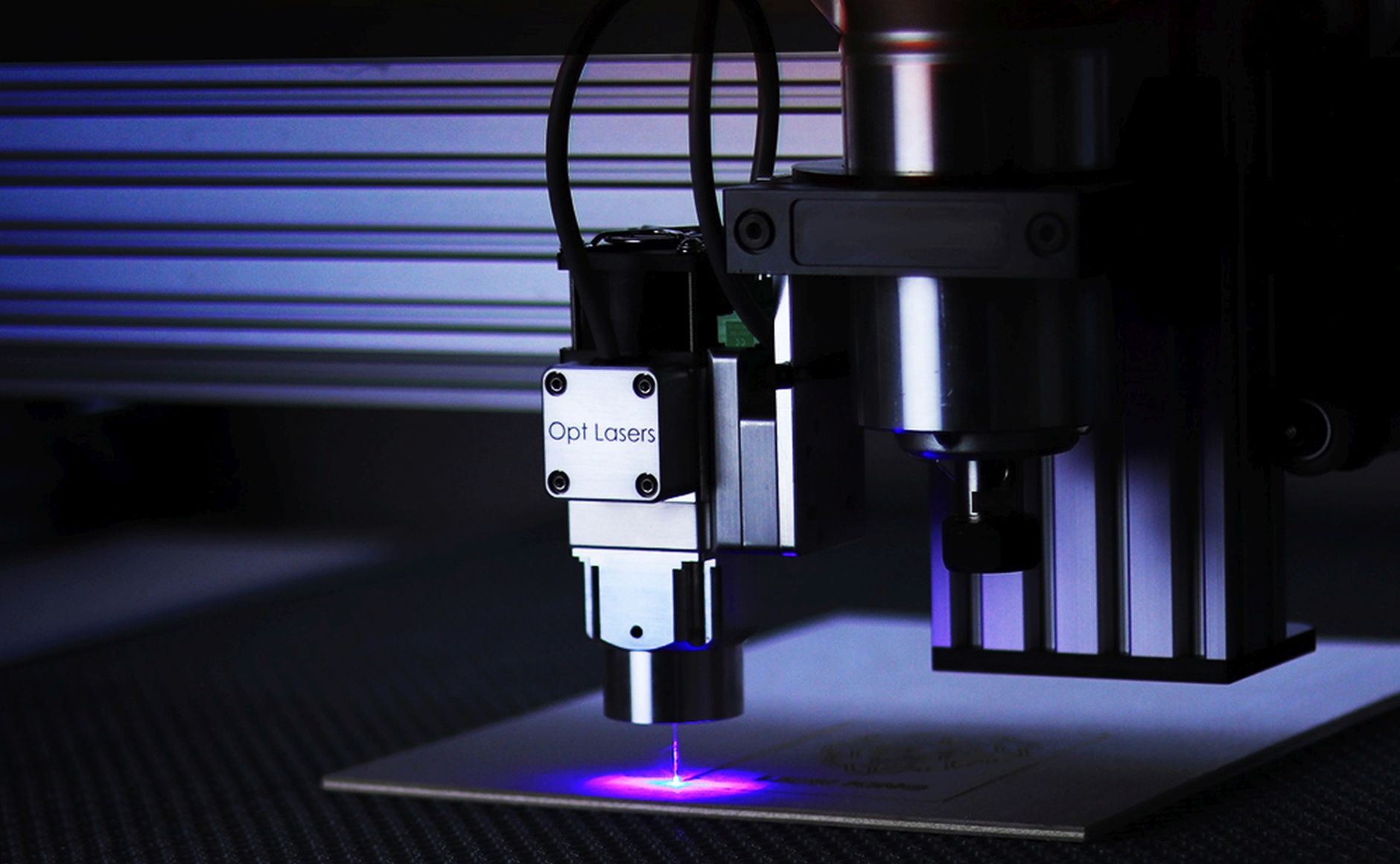
Traditional laser cutting relies on static focal lengths selected manually or via stepper motors, creating bottlenecks during mixed-gauge production runs. Contemporary cutting head architectures now integrate piezoelectric or voice-coil driven dynamic focus units capable of adjusting the focal plane within milliseconds. This capability maintains optimal spot size and power density across varying material thicknesses without interrupting the cut cycle. When combined with multi-axis kinematic stages, these systems enable continuous bevel cutting up to forty-five degrees without secondary milling or grinding operations. The underlying physics remain consistent: precise control of the Gaussian beam profile ensures stable keyhole formation in the melt pool, reducing recast layers and minimizing post-processing requirements. For tube fabrication, synchronized rotary axes coupled with tilt compensation maintain kerf perpendicularity even on curved workpieces, effectively replacing dedicated profile machining centers for many mid-volume applications.
Process Economics and Assist Gas Optimization
Capital expenditure decisions in laser manufacturing are increasingly evaluated through total cost of ownership rather than machine uptime alone. Assist gas delivery has emerged as a critical variable in this calculation. High-pressure nitrogen and oxygen supply chains represent significant operational expenditures, particularly when nozzle geometries fail to generate the required laminar flow regime. Modern systems employ computational fluid dynamics to design converging-diverging nozzles that match the specific Mach number of the assist stream to the traverse speed. This alignment suppresses turbulent boundary layers that cause dross adhesion and excessive heat input. Furthermore, closed-loop pressure regulation adjusts gas flow in real time based on cut depth and material reflectivity, preventing waste during thin-gauge piercing and maintaining clean oxidation fronts during steel severing. The result is a predictable reduction in consumable spend and compressed utility demands, directly improving margin stability for job shops processing high-mix orders.
Algorithmic Nesting and Throughput Scaling
Software-level innovations are amplifying the hardware advantages by transforming raw part geometry into optimized thermal and mechanical workflows. Advanced nesting engines now incorporate machine learning models trained on historical cut data to predict thermal distortion patterns before the beam ever engages the material. These algorithms dynamically adjust pierce locations, cut sequencing, and idle travel paths to distribute heat accumulation evenly across the sheet. By minimizing rapid temperature gradients, the system preserves dimensional tolerance without requiring additional fixturing or stress-relief cycles. Throughput scaling follows logically: when nests achieve higher material utilization and fewer restart interruptions, effective parts-per-hour increases without pushing the laser diode or pump stack beyond safe thermal thresholds. Industry analysts note that facilities integrating these computational controls report lower scrap rates and shorter payback periods, confirming that intelligent process synchronization delivers more reliable ROI than isolated equipment upgrades.
This article was produced by the LasersNews AI desk and reviewed by our editors.
Related reading
From Kilowatts to Control: How Adaptive Optics and Gas Dynamics Redefine Laser Cutting Economics
Industrial fiber laser cutting shifts from raw power to integrated sensor control, dramatically improving fir…
Bevel cutting heads move from specialist tool to mainstream fabrication kit
Five-axis cutting heads that were once reserved for heavy structural work are appearing on general-purpose fl…

Fiber cutting moves past raw wattage as fabricators chase cost per part
Sheet metal shops are discovering that beyond about 12 kW, cutting economics are decided by gas, optics and u…