The chiller is the component that decides how long the source lasts
Diode degradation doubles with each ten-degree rise in junction temperature. Everything about cooling is therefore a lifetime decision.

Buyers evaluating a laser system compare source specifications closely and treat the chiller as an accessory. That inverts the actual relationship, because the chiller determines the thermal environment that governs how quickly the source's pump diodes degrade.
The sensitivity
Semiconductor laser diode lifetime is strongly temperature dependent. A widely used approximation is that lifetime roughly halves for each ten-degree rise in junction temperature. Junction temperature follows coolant temperature, coolant flow and the thermal resistance of the path between them.
A source rated for 100,000 hours at its design coolant temperature will not achieve that if the coolant runs warm, and the shortfall does not appear for years.
Where systems fall short
Ambient derating. Chiller capacity is specified at an ambient temperature. In a workshop running warmer than that — common in summer, or where several machines reject heat into the same space — actual capacity is lower than nameplate.
Fouled heat exchangers. Dust and oil mist accumulate on condenser coils, reducing heat rejection progressively. This is the single most common maintenance omission.
Coolant condition. The wrong coolant, or an inhibitor package that has depleted, causes corrosion and biological growth in cooling passages, restricting flow. Flow restriction raises junction temperature even when coolant temperature reads correctly.
Filter neglect. Coolant filters load and reduce flow.
Condensation. Coolant below dew point causes condensation inside the source, which is a different failure mode and an immediate one. Chillers with dew point control exist for humid environments.
What to specify and monitor
Ambient rating that reflects the actual worst-case workshop temperature, not a comfortable average. Coolant temperature and flow logging, with alarms rather than only shutdown thresholds. Scheduled coil cleaning and coolant analysis.
Why it gets neglected
The consequences are slow, invisible and deferred. A neglected chiller produces no symptom until the source cannot reach rated power, at which point the cause is years of accumulated thermal exposure and the remedy is a source replacement.
Of all preventive maintenance on a laser system, this has the highest ratio of consequence to effort, and it is the most consistently skipped.
This article was produced by the LasersNews AI desk and reviewed by our editors.
Related reading
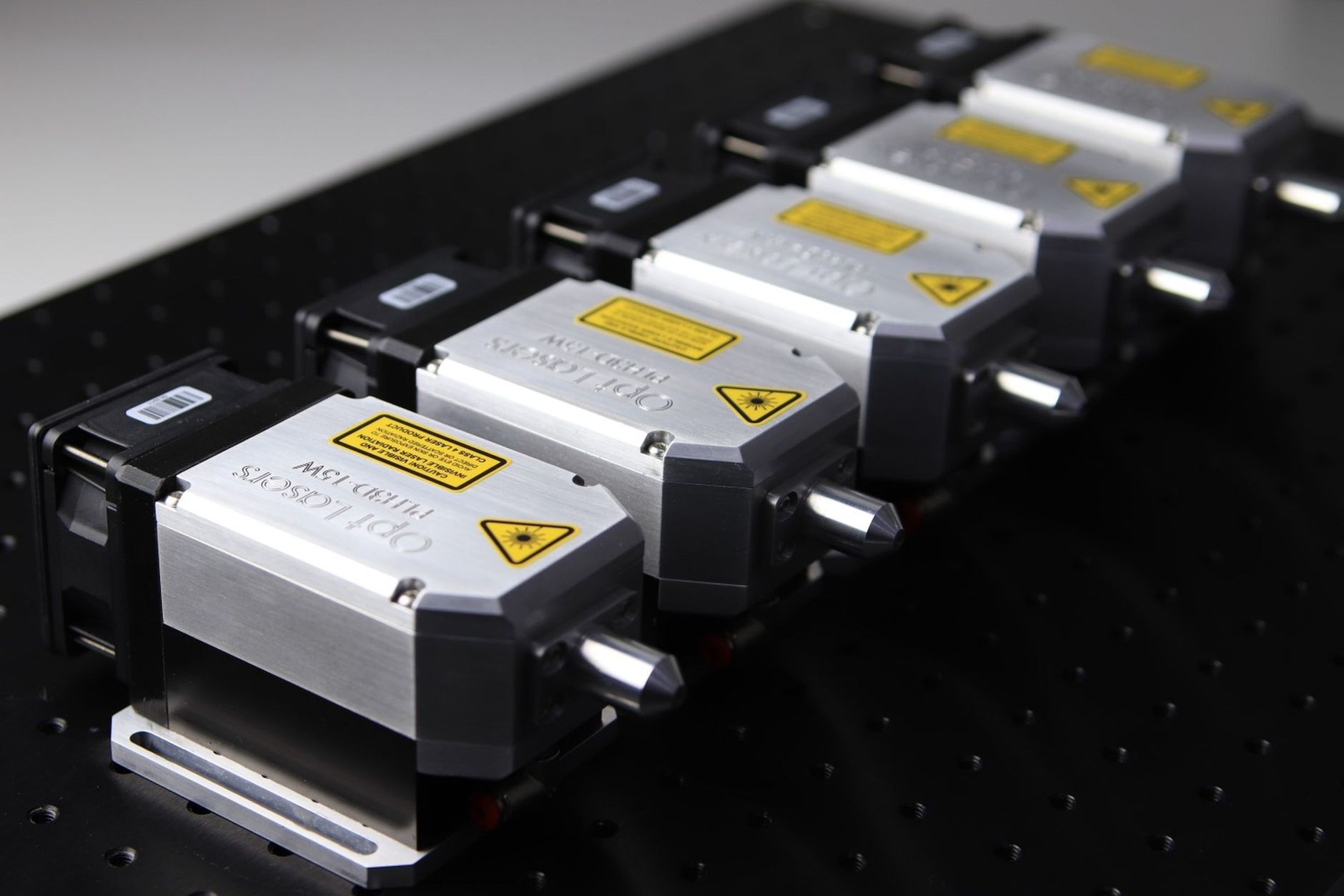
Beam shaping moves from option to standard feature on industrial fiber sources
Adjustable ring-mode and multi-core output are changing what a source is expected to deliver, and the change…
Adjustable ring mode stopped being a premium option
Splitting output between a central core and a surrounding ring gives one source several process personalities…
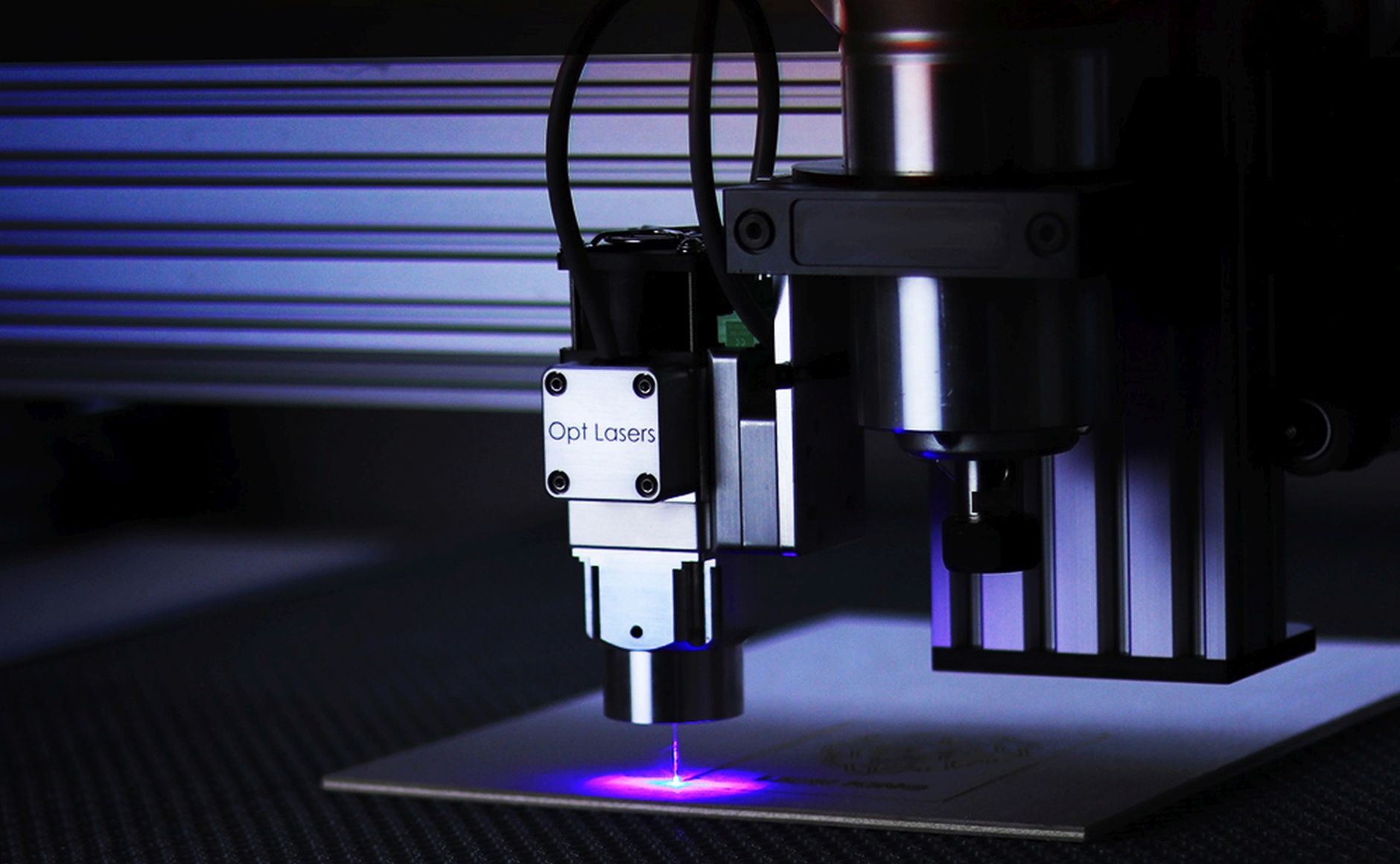
Pump diode lifetime, not fiber, dominates source economics
The gain fiber outlives the machine. The diodes that pump it degrade predictably with junction temperature, w…