
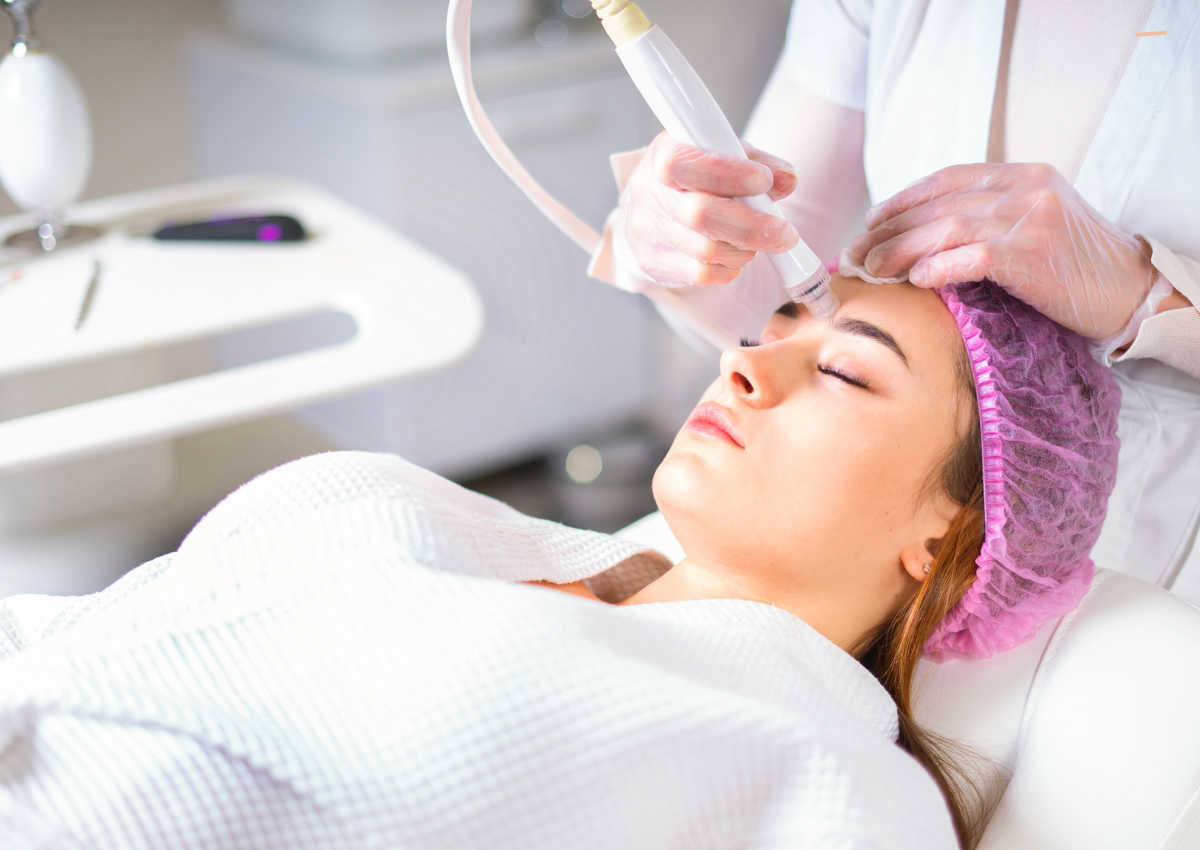
Getting a professional skin treatment is a huge step toward clearer skin. But the work isn’t finished when you walk out the door. Whether you just had a Pico Laser session or a chemical peel treatments for brighter skin, how you treat your skin in the days and weeks that follow is everything. In fact, taking care of your skin at home is just as important as the treatment itself if you want to keep those spots from coming back.
At Cutis Medical Laser Clinics, we always remind our patients that their skin is extra sensitive after these procedures. Without the right recovery steps, you risk developing new dark marks (PIH) or seeing your old spots return quickly. Here is a simple, step-by-step guide to keeping your skin clear in our sunny weather.
Why Aftercare Is So Important
When a laser or peel hits a dark spot, it creates a tiny “micro-injury” to jump-start the skin’s healing process. During this time, your color-producing cells are on high alert. If you are prone to melasma, understanding what causes melasma and how you can treat it can help you prevent future flare-ups.
If you hit your skin with triggers like sun or high heat, these cells might pump out extra melanin to protect themselves. We often tell our patients that the “new” skin showing up after a treatment is much more vulnerable than your “old” skin. Protecting it is the only way to make sure the pigment stays away.
The First 3 Days: The Delicate Phase
The first 72 hours after your visit are the most important. This is when your skin’s natural barrier is temporarily down as it begins to renew.
- Keep it Cool: It’s normal for your face to feel warm or look a bit red. We recommend using gentle, unscented creams or cooling gels. Don’t put ice packs directly on your face; a cool, damp cloth is much better for soothing the skin.
- Wash Gently: Avoid face scrubs, brushes, or anything rough. Use a mild, soap-free cleanser and lukewarm water. Pat your skin dry with a clean towel—don’t rub it, as that can cause irritation.
- Moisturize: Your skin loses water fast right after a treatment. Use a simple moisturizer with ingredients such as ceramides or Hyaluronic Acid. Supporting your skin barrier and how to protect it is critical during this recovery phase.
Weeks 1 to 4: Stopping the Spots from Returning
Once the redness goes away, your skin enters a window where it can easily “rebound” and turn dark again.
- Be Strict with Sunscreen
Since the sun in Singapore is so strong, sunscreen is the most vital part of your day. You must wear a broad-spectrum sunscreen with at least SPF 30 every single day.
- UVA protection stops long-term aging and pigment.
- UVB protection stops you from burning.
- Visible light protection: If you have melasma, use a tinted sunscreen with iron oxides to block out blue light from screens and bulbs.
- Take a Break from “Actives.”
It’s tempting to keep using your brightening serums, but you should stop using Retinols, AHAs (like glycolic acid), and strong Vitamin C for about a week, or until your skin feels totally back to normal. Using them too early can cause irritation, which is a major trigger for new dark spots.
- Watch the Heat
Heat can trigger pigment cells just as much as the sun does. For at least a week, stay away from saunas, steam rooms, hot yoga, and very hot showers. Keeping your skin cool helps keep the color cells “quiet.”
Keeping Your Results for the Long Term
To make sure your spots stay gone, your routine should move from “healing” to “protecting.”
- Pigment Blockers: Once your skin is healed, your doctor might have you resume creams that prevent your cells from producing excess pigment.
- Antioxidants: Using a Vitamin C serum in the morning helps protect your skin from pollution and sun damage.
- Regular Check-ups: Dark spots can be a long-term issue. Coming back for occasional “refresh” sessions helps catch new pigment before it appears on the surface. Learn more about how to fade dark spots effectively.
FAQs
Q: What if I accidentally spend time in the sun?
A: If you get too much sun right after a treatment, your skin might look darker or redder. Get into the shade immediately, cool the skin down, and call the clinic. We can suggest a specific plan to help calm the skin down.
Q: Can I wear makeup?
A: It depends. After a Pico Laser, most people can wear mineral makeup after a few hours. After a chemical peel, it’s usually best to wait until your skin stops flaking so you don’t irritate it or trap bacteria.
Q: My skin is peeling. Can I use a scrub?
No. Never pick, peel, or scrub your skin after a treatment. If you force the skin to come off before it’s ready, you could end up with a scar or a dark mark. Let it flake off on its own while you wash your face normally.
Q: Why do my spots look darker now than before the laser?
This is actually normal! It’s called “micro-crusting.” It means the shattered pigment is rising to the surface to be shed. It’s a sign the treatment is working, so don’t worry just keep up with your sunscreen.
Your Partners in Clear Skin
Getting clear skin is a two-part job: we do the treatment, and you do the aftercare. By following a simple, disciplined plan, you protect your investment and keep your skin looking bright and even.
At Cutis Medical Laser Clinics, we’re here to help you every step of the way. If you have questions about your recovery or are planning your next visit, just ask. We’ll help you find the best way to keep your skin healthy and clear.
Book a consultation today and let us help you achieve long-lasting, clear, radiant skin.
To share, click on the Icon.