
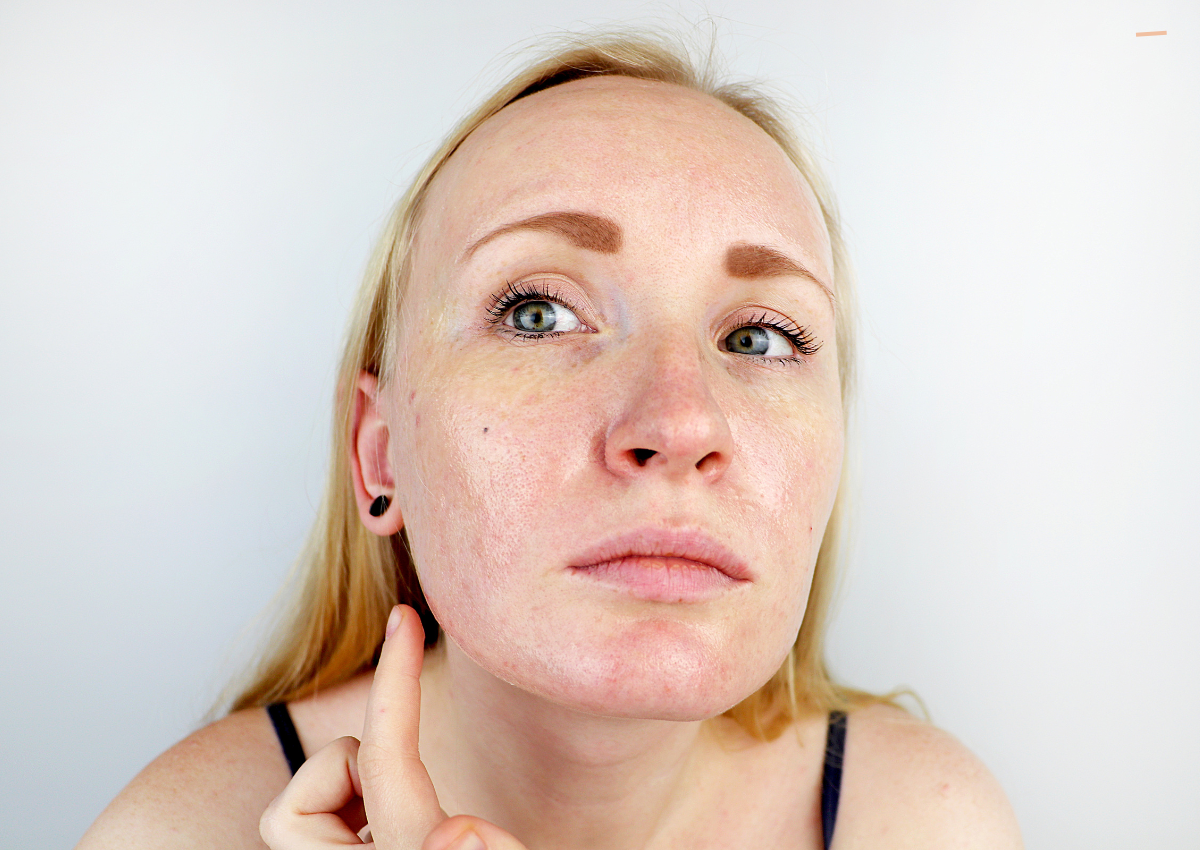
As we head into February, many people in Singapore want to refresh their skincare routine. After the holidays, which usually mean more time outside and plenty of social gatherings, dark spots, melasma, and uneven skin tones often become more noticeable.
At Cutis Medical Laser Clinics, we believe the best way to fix dark spots is with a real plan, not just a “miracle” product. A true “skin reset” is about combining professional help with a solid home routine. Here is a step-by-step guide to clearing your skin in our tropical weather.
Phase 1: The Skin Check
The first step is getting the right diagnosis. Dark spots happen at different depths in your skin. If you don’t know if your spots are on the surface or deep down, any treatment you try might just be a waste of time.
Professional Analysis
When you visit our clinic, we start with a clinical check-up. We use special cameras to look under the surface of your skin. This helps us distinguish between sunspots, acne marks (PIH), and melasma.
Finding Your Triggers
February in Singapore is usually very sunny. A check-up also helps us find what’s causing your spots, like hormones, heat, or past skin injuries, so we can stop them from coming back once they’re cleared.
Phase 2: Getting Your Skin Ready
Once we know what we’re dealing with, we have to prep your skin. Jumping straight into strong treatments can sometimes backfire, especially for darker skin tones that get irritated easily.
Strengthening Your Skin
Healthy skin heals better. During this stage, we focus on hydration, antioxidants, and barrier repair.
Vitamin C is a key ingredient here. If you’re unsure whether you’re using it correctly, our guide on how to use Vitamin C serum properly explains how to maximize its brightening and protective benefits.
We also ensure your skin barrier is intact. A compromised barrier can increase inflammation and worsen pigmentation. You may find this helpful: What is the skin barrier and how can you protect it?
Calming the “Color Cells”
Before in-clinic procedures, we may prescribe topical agents that gently regulate melanin production. Understanding how these ingredients work can help set realistic expectations. Our mini guide on how skin lighteners work explains the science behind pigment control.
Phase 3: In-Clinic Treatments
Now that your skin is ready, we move to the correction phase. This is where we use medical technology to break up the dark spots.
Pico Laser Technology
For many of our patients, the Pico Laser is the best choice for a reset. It fires super-fast pulses of energy that shatter melanin into tiny bits. It’s very precise and doesn’t get the skin too hot, making it a safer option for melasma and deep spots on Asian skin.
Medical-Grade Chemical Peels
Chemical peels help accelerate skin renewal and remove superficial pigmented cells. They can brighten dull skin and improve overall clarity.
If you’d like to understand their benefits in greater detail, this article explains why chemical peels are great for your skin.
When selected appropriately and performed under medical supervision, peels are safe and effective even for sensitive skin types.
Phase 4: Protection and Keeping Results
The last and most important part is protection. In Singapore, the sun can ruin weeks of progress in just one afternoon.
Sunscreen Is a Must
You have to wear a broad-spectrum sunscreen with at least SPF 30 every single day. It needs to protect you from both aging rays (UVA) and burning rays (UVB). If you have melasma, look for sunscreens that also block “visible light” (these usually have a tint from iron oxides).
Your Home Routine
The reset doesn’t end when you leave the clinic. To keep your skin clear, you need to keep up with your creams and use ingredients that hold in moisture, like Hyaluronic Acid.
FAQs
Q: How long does a “skin reset” take?
You might see a glow right away, but a full reset takes time. Your skin naturally renews itself every 28 days. For tough spots, it usually takes a plan of three to six months to get and keep the best results.
Q: Can I do this if I have sensitive skin?
Yes. Because we customize the plan, we can use gentler acids and adjust the laser settings so they work without causing any redness or stinging.
Q: Will the spots come back?
Managing dark spots is an ongoing job. While we can clear the spots you have now, new ones can form if you don’t manage your triggers. Staying consistent with sunscreen and coming in for occasional “top-up” sessions is the secret to long-term success.
Q: Is there a lot of downtime?
Not really. Most modern treatments, like Pico Lasers and light peels, have very little downtime. You might be a bit red or have some light flaking for a few days, but most people go right back to their normal routine immediately.
Start Your Journey to Clearer Skin
Every skin type and every dark spot tells a different story. Book a consultation at Cutis Medical Laser Clinics and let our doctors design a customised pigment control plan tailored specifically to your skin. Clearer, brighter skin starts with the right diagnosis.
To share, click on the Icon.