
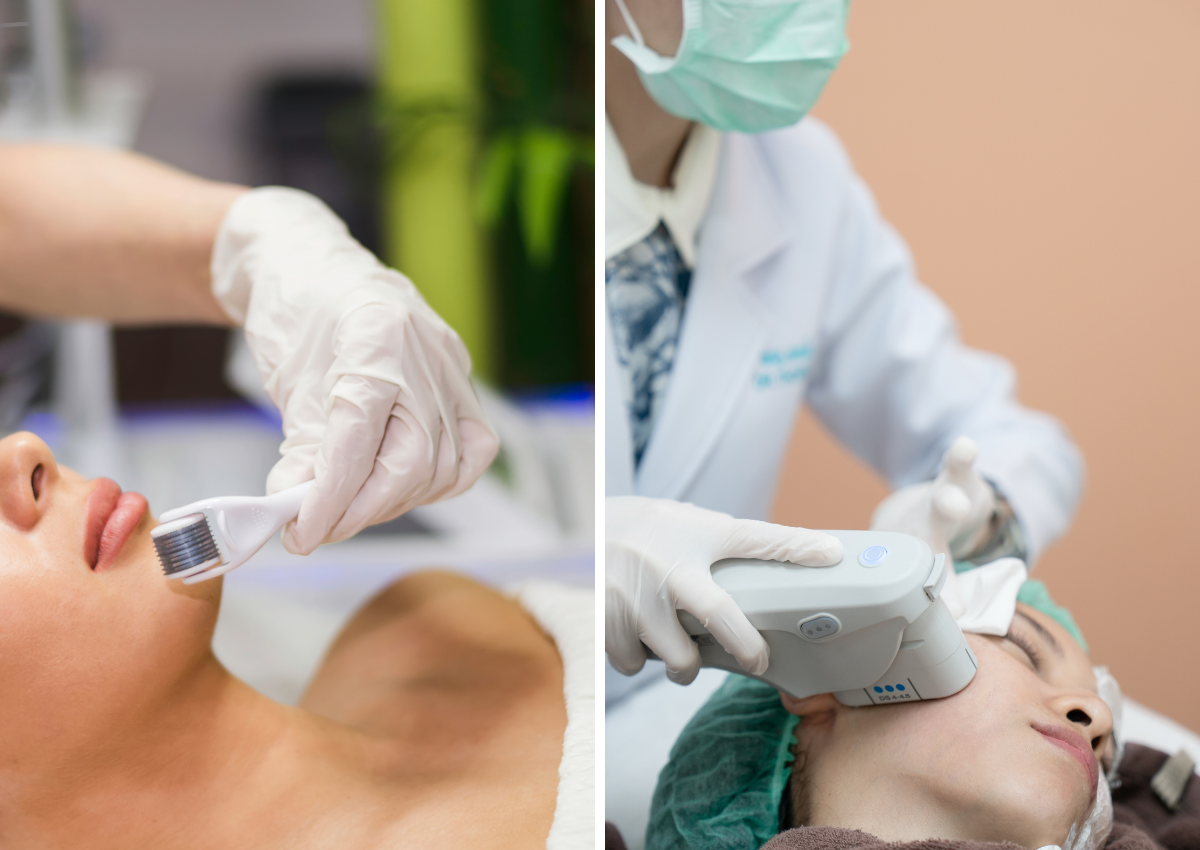
As the desire for non-invasive skin treatments grows, two popular options in Singapore have stood out for their ability to rejuvenate the skin and restore youthful firmness: HIFU (High-Intensity Focused Ultrasound) and Ultherapy. Both are effective skin tightening treatments, but they differ in their approach, technology, and results.
In this comprehensive guide, we’ll explore the differences between HIFU vs Ultherapy to help you decide which one is most suitable for your skin tightening needs. Whether you’re considering these treatments for facial lifting, skin rejuvenation, or combating early signs of aging, this post will provide the information you need to make an informed decision.
What Is HIFU and How Does It Work?
HIFU, or High-Intensity Focused Ultrasound, is a non-invasive procedure that uses focused ultrasound energy to penetrate the skin layers. It works by targeting the deeper layers of the skin, stimulating collagen production and tightening the skin.
How HIFU Works:
- Energy Penetration: The ultrasound waves target the skin’s dermal layers, stimulating the production of collagen.
- Skin Lifting: The heat generated by the ultrasound causes controlled micro-injuries that kickstart the skin’s healing process, tightening the skin.
- Non-invasive: No incisions or needles are used, making HIFU a great option for those who want a non-surgical facelift.
HIFU treatment is often used for facial skin tightening, lifting the brows, reducing the appearance of fine lines, and improving skin texture.
What Is Ultherapy and How Does It Work?
Ultherapy is another non-invasive skin tightening procedure, but it uses a different technology: Focused Ultrasound. Like HIFU, Ultherapy targets the deep layers of the skin, but its technology focuses more precisely on lifting and tightening.
How Ultherapy Works:
- Ultrasound Technology: Ultherapy uses ultrasound energy to stimulate collagen production, but it uses a unique imaging technique that allows the practitioner to see beneath the skin during treatment.
- Precision Targeting: The ultrasound energy is delivered to the skin’s deeper layers to enhance the skin’s elasticity and firmness.
- FDA-approved: Ultherapy is FDA-approved for non-invasive lifting and tightening, particularly for the brow, neck, and chin areas.
Ultherapy is commonly used for lifting the brow, neck, and chin areas while also improving skin texture and reducing sagging.
HIFU vs Ultherapy: Key Differences
HIFU and Ultherapy are both non-surgical ultrasound treatments commonly used in Singapore to address mild to moderate skin laxity. HIFU delivers high-intensity focused ultrasound energy to deeper layers of the skin to stimulate collagen, while Ultherapy uses micro-focused ultrasound with real-time imaging for more controlled and targeted energy delivery. Ultherapy also carries US FDA clearances for specific lifting indications, whereas HIFU device approvals vary depending on the brand and clinic.
In terms of cost, HIFU is generally more affordable, while Ultherapy is typically priced higher due to its imaging technology and regulatory clearances. Treatment duration ranges from 30–60 minutes for HIFU and around 60–90 minutes for Ultherapy, and both treatments usually involve minimal downtime. Suitability depends on individual skin characteristics, degree of laxity, and medical consultation.
Benefits of HIFU and Ultherapy for Skin Tightening
Both HIFU and Ultherapy offer numerous benefits for individuals seeking non-invasive skin tightening:
1. Non-Surgical Skin Tightening
Both treatments offer effective skin tightening without the need for surgery or recovery time. They are ideal for those who want to improve their skin’s appearance without the risks associated with invasive procedures.
2. Natural-Looking Results
Both HIFU and Ultherapy work by stimulating collagen production, providing gradual and natural-looking results. The skin becomes firmer and smoother over time as new collagen is produced, leading to more youthful skin.
3. Long-Lasting Effects
Results from both treatments can last from 6 months to 2 years, depending on individual skin conditions and aftercare. For optimal results, patients may choose to undergo maintenance sessions.
4. Minimal Downtime
Both treatments involve minimal downtime, meaning you can resume your normal activities immediately after the procedure. There may be slight redness or swelling that disappears within a few hours.
Which Treatment Is More Suitable for You?
Choosing between HIFU vs Ultherapy largely depends on your specific needs and skin type. Here’s a breakdown of what each treatment is most suitable for:
Choose HIFU if:
- You have mild to moderate skin sagging and would like a non-surgical facelift.
- You are looking for a cost-effective treatment option.
- You are targeting areas such as the face, neck, or décolletage for tightening and lifting.
Choose Ultherapy if:
- You want precise targeting and imaging for a more tailored treatment.
- You have concerns around skin sagging and fine lines, particularly around the brow, chin, and neck.
- You are willing to invest in advanced technology for a more customizable treatment.
Further Learning: Why Choose Ultherapy for Skin Lifting and Tightening?
Is HIFU or Ultherapy Safe?
Both HIFU and Ultherapy are generally safe for most individuals when performed by trained professionals. Both treatments are FDA-approved and backed by medical research. However, like any procedure, some people may experience mild side effects such as temporary redness, swelling, or slight discomfort during treatment. It is important to consult with a qualified healthcare provider to determine if these treatments are suitable for your skin type and medical history.
Cost Factors: HIFU vs Ultherapy
Cost is an important consideration when choosing between HIFU vs Ultherapy in Singapore. While both treatments can range in price, HIFU tends to be more affordable, with prices typically starting from SGD 500 per session. On the other hand, Ultherapy is often more expensive due to the advanced imaging technology used in the procedure, with sessions costing between SGD 2,000 and SGD 3,500.
For the most accurate pricing and advice, it’s always best to consult directly with a clinic offering these services.
FAQs
-
How many sessions of HIFU or Ultherapy are needed for optimal results?
Most patients require 1-2 sessions of HIFU or Ultherapy for noticeable improvements. Maintenance sessions may be recommended every 6-12 months for long-lasting results.
-
Are there any side effects after HIFU or Ultherapy?
Mild side effects such as redness, swelling, or tenderness may occur temporarily, but they typically resolve within a few hours.
-
Which treatment is better for my skin concerns: HIFU or Ultherapy?
Both treatments are highly effective, but Ultherapy may be more suitable if you require precise imaging and targeting. HIFU is ideal for general skin tightening and lifting.
Conclusion
Choosing the right treatment for skin tightening in Singapore, HIFU or Ultherapy, depends on your specific goals, skin type, and budget. Both treatments are non-invasive, offer long-lasting results, and are backed by clinical research. To find the most suitable option, it’s essential to consult with a qualified practitioner who can assess your needs and guide you toward the right choice.
Ready to learn more? Schedule a consultation with one of our specialists to discuss your skin concerns and explore whether HIFU or Ultherapy is right for you.
To share, click on the Icon.