
Scanning and Verification
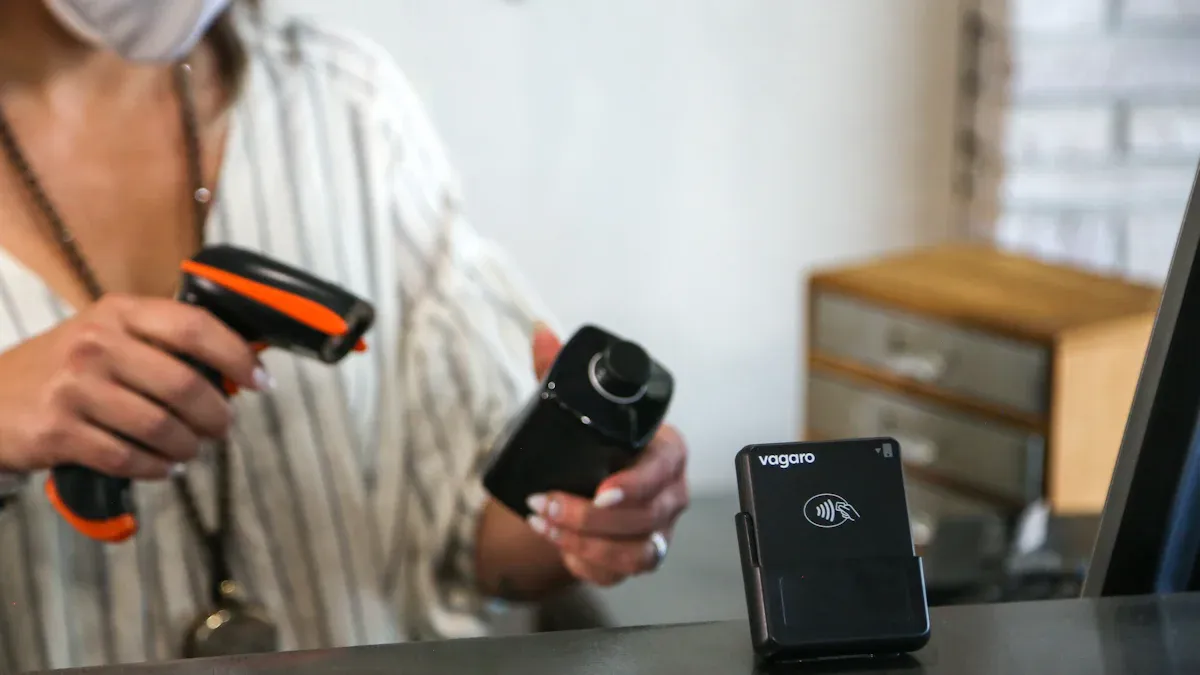
You need to scan and check your codes to make sure they work. Use handheld scanners, fixed scanners, or mobile devices. Camera-based and omnidirectional scanners read codes from any angle, which makes things easier. The table below shows scanner types and how they work:
| Type of Scanner | Description | Performance Metrics |
|---|---|---|
| Handheld Scanners | Small, easy to use in stores and warehouses | You can move them anywhere, used for many jobs |
| Stationary Scanners | Stay in one place, used on production lines | Fast and steady for lots of items |
| Mobile Device Scanners | Phones or tablets with apps | Work anywhere, very flexible |
| Camera-based Scanners | Use image sensors for 2D codes | Read codes from any angle, good for busy places |
| Omnidirectional Scanners | Read codes from all directions | Fast and great for crowded areas |
To stop problems, use barcode verifiers and AI tools. Put codes flat and not near edges. Change the distance with autofocus. Good lighting helps scanners see the code well.
You need to follow rules like ISO, GS1, and ANSI. GS1 gives barcode licenses and sets rules for making codes. You pay once and then pay every year for your license. Following these rules keeps your codes working everywhere.