Traceability rules quietly reshape what a marking system has to do
Permanent part identification is no longer a finishing step — it is a data problem that happens to involve a laser.

Laser marking used to be specified on two criteria: does the mark survive, and does it look acceptable. Regulatory traceability has added a third that increasingly outranks both — can the mark be read reliably, by machine, for the life of the component.
From decoration to data
Unique device identification in medical manufacturing, aerospace part pedigree requirements and automotive component traceability all share a structure. Each part carries a unique identifier, that identifier links to a record, and the link has to survive the part's service life. Once a mark is load-bearing for a database, the acceptance criteria change. Contrast, cell size, quiet zone and grading against 2D code quality standards become the specification, and "it looks fine" stops being an answer.
Why source selection got harder
Different materials push toward different wavelengths, and traceability requirements narrow the acceptable process window on each.
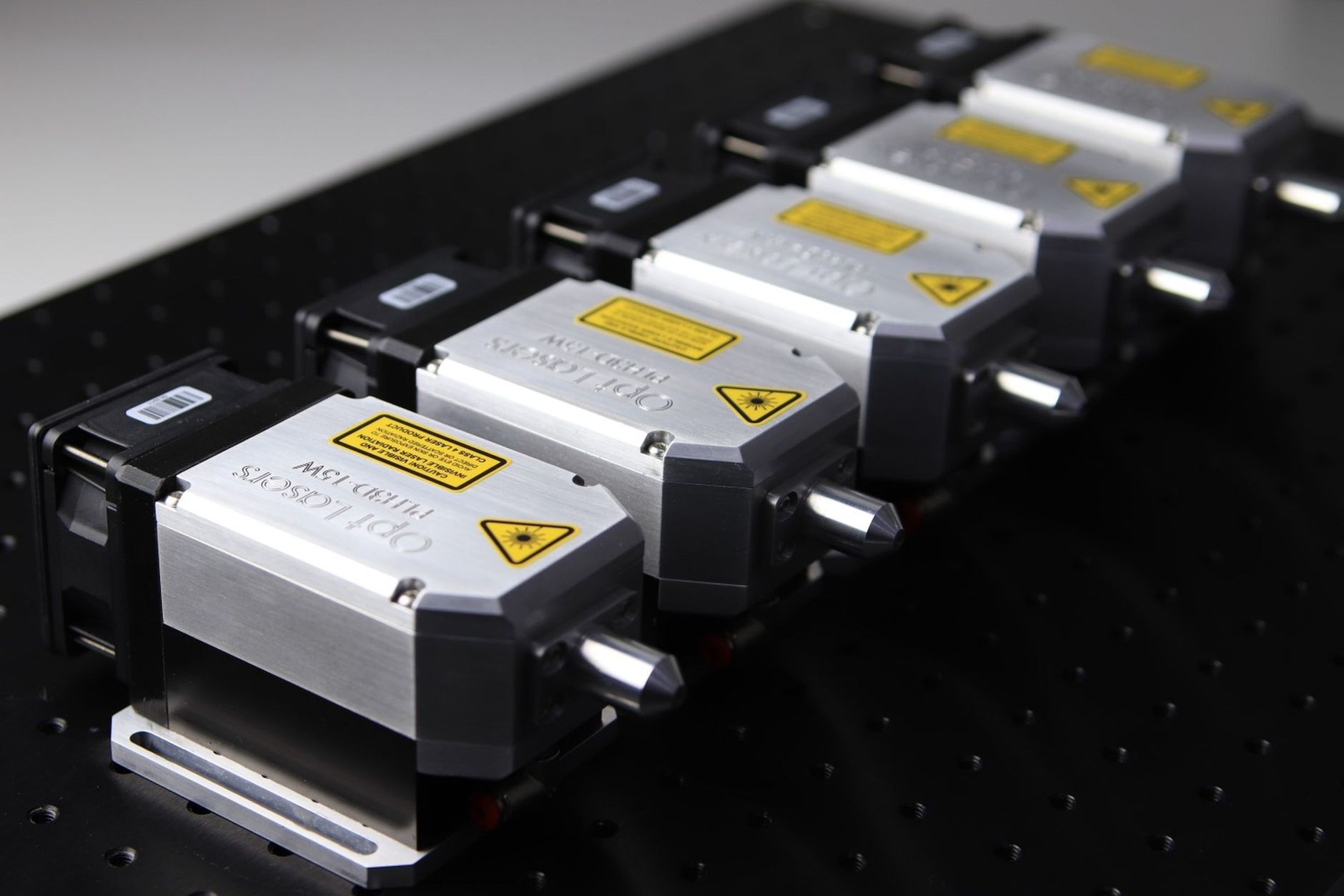
Fiber sources at around 1064 nm remain the workhorse for steels and most metals, where annealing produces a dark, corrosion-resistant oxide mark without removing material — important on surgical instruments and anywhere a recess would harbour contamination.
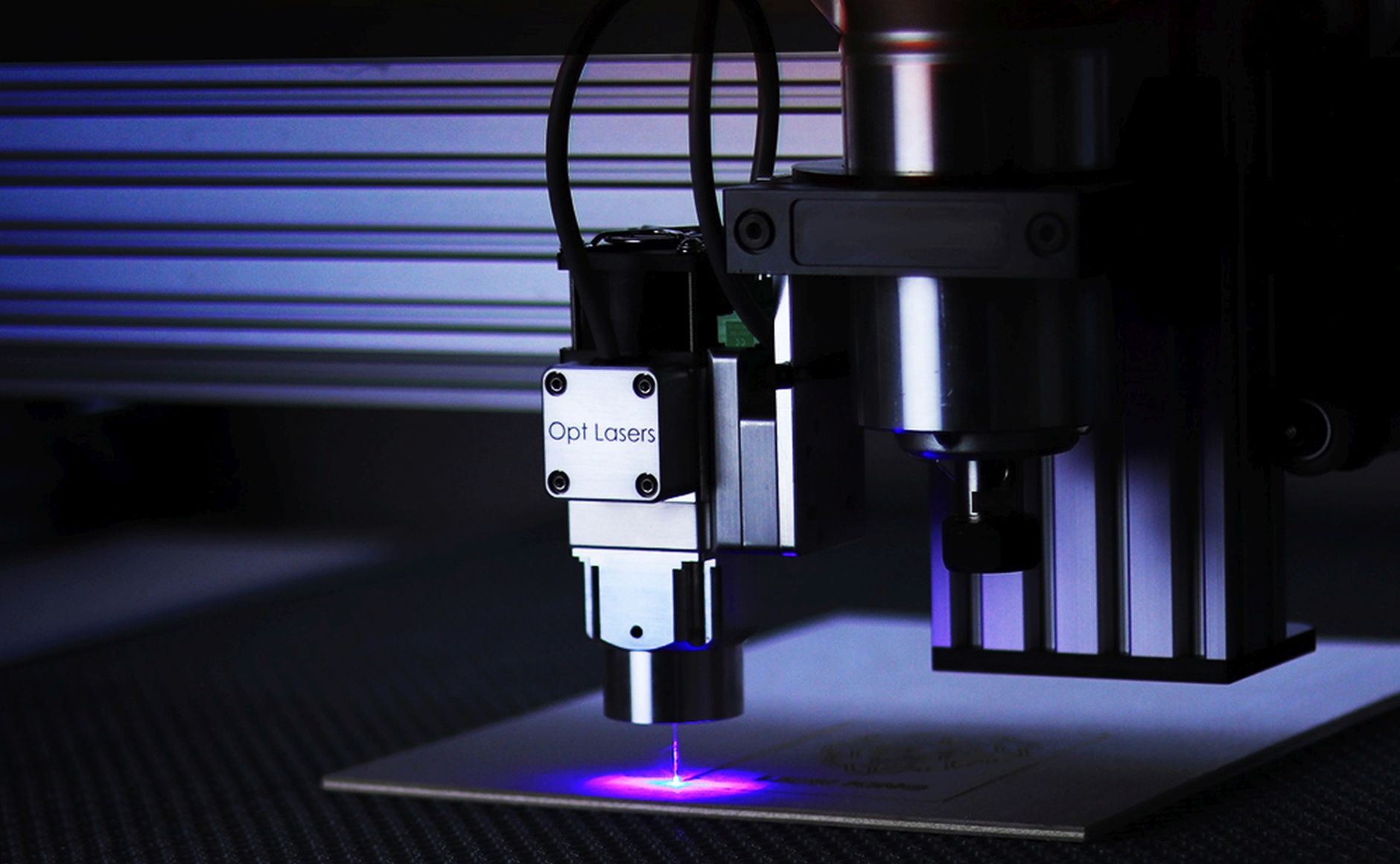
Ultraviolet sources have become the default for many plastics and sensitive substrates. The short wavelength drives a photochemical rather than thermal interaction, giving high-contrast marks with a very small heat-affected zone. On medical polymers and electronic packages, that difference decides whether the mark is legible or the substrate is damaged.
Green sources sit between the two, and are frequently chosen for highly reflective metals and for marking on coated surfaces where thermal load must stay low.
The verification loop
The change that catches manufacturers out is not the marking step but what has to follow it. Grading a code after marking, feeding the result back, and quarantining parts that fall below grade turns a standalone marking station into part of the line's data infrastructure. Vision verification, code grading to a defined standard, and integration with the manufacturing execution system are now routinely part of the same purchase.
Practical consequences
For plant engineers, the implication is that a marking system should be evaluated on its worst-case substrate and its verification path, not on a sample plaque produced under ideal conditions. Ask what the code grades at after the part has been passivated, anodised, autoclaved or handled in service — that is the number the auditor will care about.
The laser, in other words, has become the easy part.
Related reading

UV marking found its place where heat is the enemy
At 355 nm the mark comes from breaking molecular bonds rather than melting. For plastics, glass and thin coat…
Traceability rules are now writing the marking specification
UDI, aerospace part marking and battery passports each demand a code that survives the product's life. Perman…
Annealing marks keep the surface intact, which is exactly why medical buys them
Heating stainless just enough to grow a coloured oxide leaves the passive layer and the geometry untouched. G…